
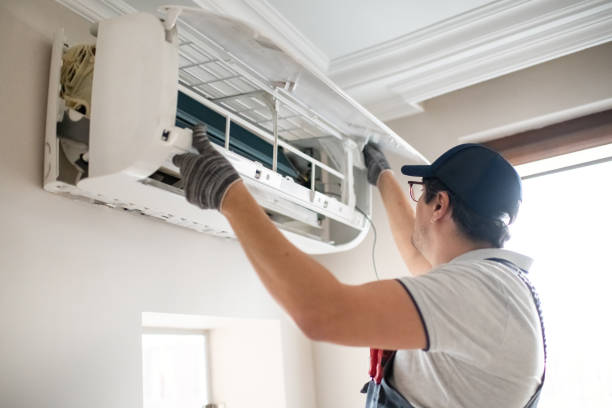
How Can HVAC Maintenance Service Help Prevent Unexpected System Breakdowns?

Heating, ventilation and air conditioning systems play an important role in maintaining comfortable indoor temperatures and healthy air circulation. Whether installed in a residential property or a commercial building, these systems operate regularly to provide heating, cooling and ventilation. Over time, continuous use can cause components to wear down, filters to become clogged and mechanical problems to develop. Without proper care, minor issues may eventually lead to unexpected system breakdowns.
An HVAC maintenance service helps identify potential problems before they affect the system’s performance. Regular inspections, cleaning, testing and necessary adjustments allow heating and cooling equipment to operate more reliably. Understanding how preventive maintenance works can help property owners reduce the risk of sudden failures and maintain a comfortable indoor environment throughout the year.
1. Identifies Minor Problems Before They Become Major Failures
Many HVAC breakdowns begin with small issues that may not be immediately noticeable. Loose electrical connections, worn components, unusual vibrations and restricted airflow can gradually affect system performance.
Detects Early Warning Signs
During a maintenance visit, a technician inspects important components and looks for signs of damage, wear or abnormal operation. Identifying these warning signs early makes it possible to address problems before they cause more extensive damage.
For example, an unusual sound from a fan motor may indicate a developing mechanical issue. Investigating it early can help prevent further deterioration and reduce the likelihood of a sudden equipment failure.
Reduces the Risk of Unexpected Repairs
When minor faults remain unresolved, they may place additional stress on other components. Regular maintenance helps identify these problems and determine whether cleaning, adjustment or repair is necessary.
Although maintenance cannot prevent every possible failure, it can reduce avoidable breakdowns caused by neglected equipment.
2. Keeps Air Filters Clean and Airflow Consistent
Air filters capture dust, airborne particles and other contaminants before they circulate through the HVAC system. Over time, these filters can become clogged, restricting airflow and making the equipment work harder.
Prevents Excessive System Strain
Restricted airflow can interfere with heat transfer and temperature regulation. In cooling systems, severe airflow problems may contribute to evaporator coil freezing. In heating systems, certain airflow restrictions can cause overheating or trigger safety controls.
During an HVAC maintenance service, the technician checks the filter’s condition and replaces or cleans it when appropriate for the filter type and system requirements.
Supports Reliable Heating and Cooling
Clean filters help maintain the airflow needed for normal system operation. Property owners should also check filters between professional maintenance visits and follow the manufacturer’s recommended replacement schedule.
Maintaining proper airflow can reduce unnecessary strain and help the equipment operate more consistently.
3. Improves Electrical System Reliability
HVAC equipment depends on electrical components to control motors, fans, compressors, thermostats and other essential functions. Electrical problems can interrupt operation or prevent the system from starting.
Checks Electrical Connections
Loose connections, damaged wiring and deteriorating electrical components may cause intermittent operation, overheating or system shutdowns. A qualified technician can inspect accessible electrical connections and check relevant components for signs of damage.
Any unsafe wiring or electrical faults should be addressed promptly to reduce the risk of equipment damage and other hazards.
Tests Essential Controls
Control boards, contactors, capacitors and other electrical components help regulate system operation. Depending on the equipment, maintenance may include testing these components and identifying signs of abnormal performance.
Early detection allows suitable repairs to be planned before a component failure causes an unexpected interruption.
4. Helps Prevent Refrigerant and Cooling Problems
Air conditioning systems rely on the correct refrigerant charge and properly functioning components to transfer heat effectively. Refrigerant leaks, restricted coils or problems with related equipment can reduce cooling performance and place additional stress on the system.
Identifies Signs of Refrigerant Leaks
Common warning signs may include reduced cooling, longer operating cycles, ice formation on refrigerant lines or unusual changes in system performance. These symptoms can have several causes, so professional assessment is important.
A technician can inspect the system, investigate suspected leaks and arrange appropriate repairs before restoring the correct refrigerant charge.
Maintains Heat Transfer Efficiency
Dirty evaporator and condenser coils can interfere with heat transfer. This may cause the system to run longer than necessary and increase the load on important components.
Cleaning coils when required helps support normal operation and reduces the risk of problems associated with poor heat exchange.
5. Protects Motors, Fans and Moving Components
HVAC systems contain moving parts that experience repeated use throughout their operating life. Fan motors, bearings, belts and other mechanical components may gradually wear down or become misaligned.
Detects Mechanical Wear
Maintenance inspections can reveal unusual noises, excessive vibration, damaged belts or signs of motor trouble. Addressing these issues early can help prevent secondary damage to connected components.
For example, a damaged belt in equipment that uses belt-driven fans may affect airflow and increase mechanical strain if left unresolved.
Supports Smooth Equipment Operation
Depending on the system design, maintenance may involve checking moving components, inspecting mounting hardware and lubricating parts where specified by the manufacturer.
These tasks help reduce avoidable mechanical stress and support reliable operation over time.
6. Maintains Proper Condensate Drainage
Air conditioning systems remove moisture from indoor air as part of the cooling process. This moisture collects in a drain pan and should flow away through a condensate drainage line.
Prevents Drain Blockages
Dust, algae and other debris can accumulate in the drainage system. A blocked drain may cause water to overflow, activate a safety switch or interrupt cooling operation.
During maintenance, a technician can inspect the drain pan and drainage line and clear obstructions where necessary.
Reduces Water Damage Risks
Uncontrolled condensate leaks can damage nearby walls, ceilings, flooring and equipment. Regular drainage checks help identify developing problems before they lead to extensive moisture damage.
Maintaining proper drainage also supports the reliable operation of systems equipped with condensate overflow protection.
7. Helps Maintain Accurate Thermostat Operation
The thermostat communicates temperature requirements to the HVAC system. If it is incorrectly positioned, poorly calibrated or malfunctioning, the equipment may operate for too long, cycle frequently or fail to provide the expected comfort.
Checks Temperature Settings and Controls
A maintenance technician can review thermostat settings, inspect relevant controls and investigate differences between the requested temperature and actual indoor conditions.
Depending on the system, checks may also include verifying control wiring and confirming that heating and cooling modes respond correctly.
Reduces Unnecessary Cycling
Frequent starting and stopping, known as short cycling, can increase wear on system components. Thermostat problems may contribute to this behaviour, although other causes, including equipment sizing and safety-control issues, are also possible.
Identifying the underlying cause helps prevent unnecessary strain and supports more stable operation.
See also: When Should Businesses Use IT Asset Disposal Services?
8. Prepares HVAC Equipment for Seasonal Demand
Heating and cooling systems often experience heavier workloads during extreme summer or winter weather. Equipment that has not been inspected before these periods may be more likely to experience problems when demand increases.
Schedules Maintenance Before Peak Use
Cooling equipment should ideally be inspected before the main cooling season, while heating equipment should be checked before regular winter use. This allows technicians to identify issues before the system is needed most.
Confirms Essential Functions
Seasonal maintenance may include checking operating controls, airflow, safety features, drainage and other components relevant to the equipment.
Addressing identified problems before peak demand helps reduce the likelihood of an inconvenient interruption during extreme temperatures.
9. Helps Extend Equipment Lifespan
Repeated strain, poor airflow, dirty components and unresolved mechanical problems can contribute to premature equipment deterioration. Over time, this may lead to more frequent repairs or the need for replacement.
Reduces Avoidable Wear
Regular maintenance keeps important components cleaner and helps identify conditions that may accelerate wear. Correcting these issues can support more consistent operation and help the equipment reach its expected service life.
Supports Better Maintenance Planning
Maintenance records allow property owners to track recurring problems, completed repairs and component condition. This information helps them make informed decisions about future servicing and replacement planning.
However, the lifespan of HVAC equipment also depends on installation quality, operating conditions, system design and how frequently it is used.
10. Recognises When Professional Attention Is Needed
Routine maintenance is most effective when combined with prompt action whenever unusual symptoms appear.
Watch for Common Warning Signs
Property owners should pay attention to symptoms such as:
- Unusual buzzing, grinding or rattling noises.
- Weak airflow from vents.
- Rooms that remain too warm or too cold.
- Unexpected increases in energy consumption.
- Frequent system shutdowns or repeated circuit breaker trips.
- Water leakage around indoor equipment.
- Burning smells or persistent unusual odours.
These symptoms may indicate different problems and should not be ignored. If there is a burning smell, smoke or another immediate electrical safety concern, switch off the equipment if it is safe to do so and seek qualified assistance.
Follow a Regular Maintenance Schedule
The appropriate maintenance frequency depends on the equipment type, manufacturer recommendations, operating hours and environmental conditions. Some properties may require more frequent filter checks or inspections because of heavy use, dust or specific operational requirements.
Following a suitable maintenance schedule helps ensure that potential problems receive attention before they become serious.
Conclusion
An HVAC maintenance service helps prevent unexpected system breakdowns by identifying developing faults, maintaining clean airflow, inspecting electrical components, checking refrigerant-related problems and keeping mechanical parts in suitable condition. It also supports proper drainage, reliable thermostat operation and preparation for seasonal temperature changes.
While no maintenance programme can eliminate every risk of equipment failure, regular professional inspections and timely repairs can reduce avoidable problems and improve system reliability. Property owners who combine scheduled maintenance with attention to early warning signs can better protect their equipment, maintain indoor comfort and reduce the likelihood of sudden heating or cooling interruptions.